How to Stop Gazebo Sides Flapping
Flapping sidewalls are the single most common gazebo gripe. They're noisy, they look scruffy, and in a breeze they never seem to sit still. Even a heavy-duty gazebo will do it if the walls aren't tensioned and the frame isn't pinned down.
The fix comes in two parts: stop the gazebo itself moving, and tension the walls so the wind has nothing loose to grab. The single best upgrade for the second part is a set of ground bars, so that's where we'll start.
Why They Flap in the First Place
There are really only two causes. The first is obvious: wind pushing against loose fabric. The second catches people out: a gazebo that's shifting slightly on its feet passes every bit of that movement straight into the walls.
So a wall that won't sit still is often a sign the whole frame needs anchoring better. Sort both the frame and the fabric and the flapping all but disappears.
Ground Bars: The Big One
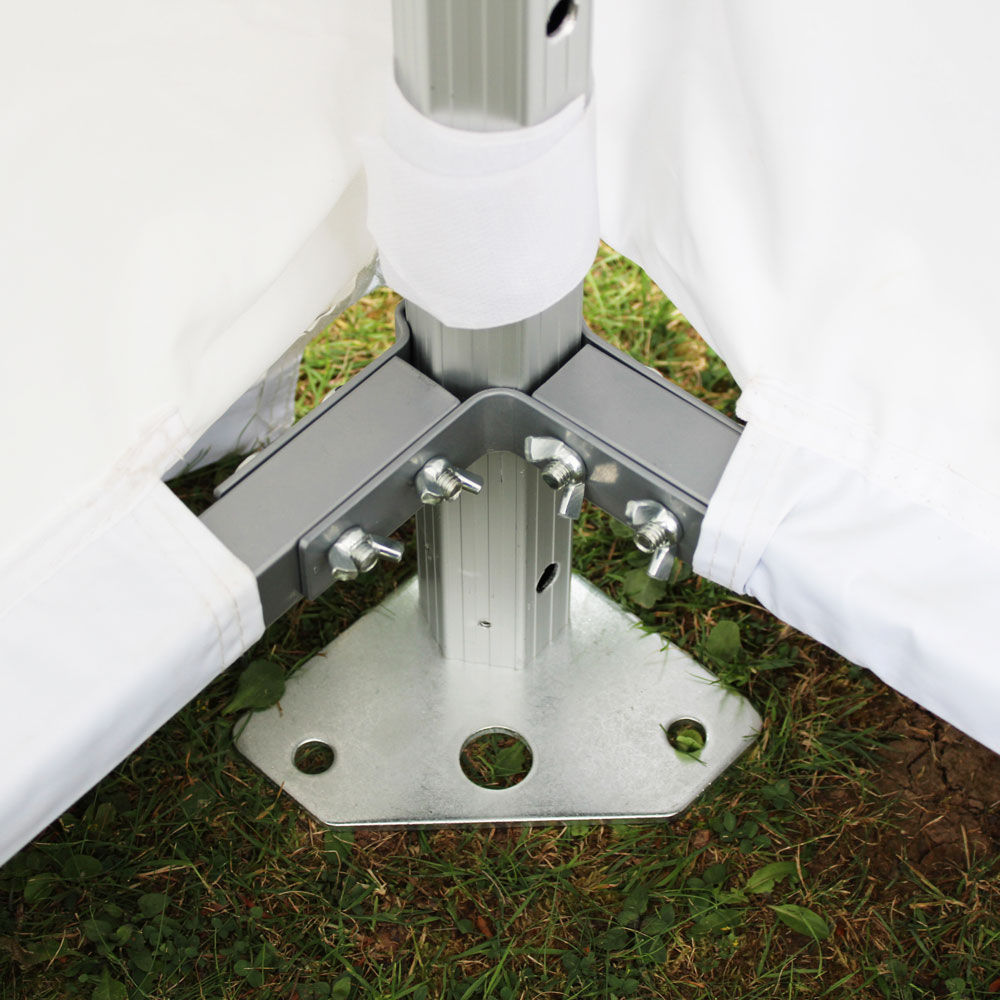
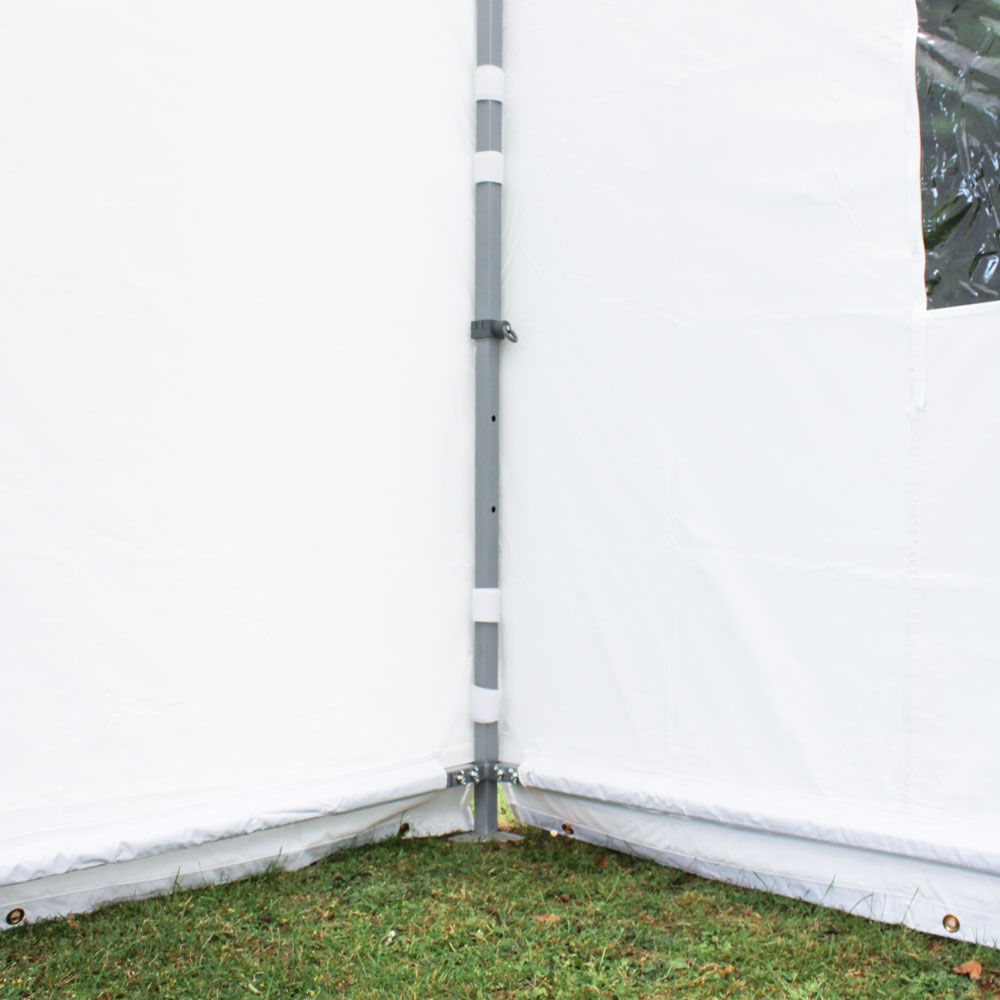
If you do one thing, get ground bars. They run along the bottom of the gazebo, connecting one leg to the next, and they do the job weights can't: they hold the lower frame square and rigid, and they tension the bottom edge of the sidewalls so there's no slack for the wind to lift.
Gala Shade sidewalls have integrated pockets that the bars thread straight through, so the wall itself is pulled taut along its whole base. They come sized to the frame, right up to the Pro 60 sizes. For market traders, motorsport paddocks and anywhere exposed, they're the single most effective upgrade you can make. Here's how they fit:
Sidewall Pegs on Grass
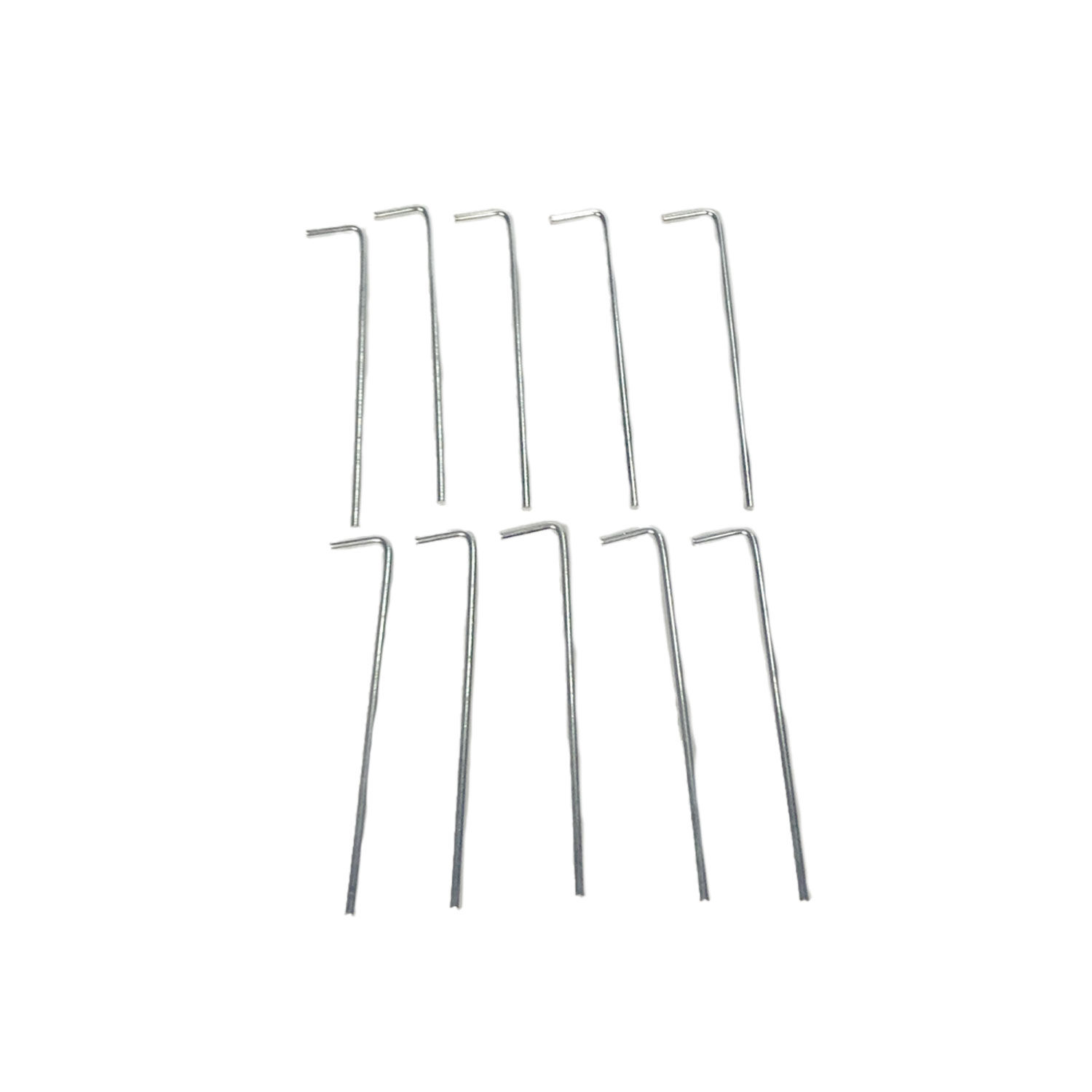
On grass, there's an easy extra win. Gala Shade sidewalls have a PVC skirt with eyelets along the bottom, so you can peg the skirt into the ground and pull the wall taut. It kills the billowing, sharpens the look, and helps rain run off the edge rather than pooling.
One caveat: sidewall pegs are for tensioning the walls, not for holding the gazebo down. The frame still needs proper anchoring on every leg, which we come to next.
Pin the Frame Down First
It bears repeating, because it's the cause people miss: a gazebo that rocks on its feet will always have moving walls, however well you've tensioned them. Anchor every leg before you worry about the sidewalls, pegs and straps on grass, weights on hard standing.
Our guide to securing a gazebo in wind covers exactly how much and how, and the weights and anchors range has the kit.
A Few More Tricks
-
check the top fixings, the velcro, zips and clips holding the walls on. A loose top edge flaps as much as a loose bottom one
-
tension firm, not bar-tight. Overstretching strains the seams and fixings, and drum-tight does more harm than good
-
drop the legs a setting in a strong breeze to cut the uplift under the canopy
-
in genuinely strong wind, take a panel or two off. Sidewalls are sails, and losing them eases the pressure on the whole frame
One honest note: some movement is normal. The walls are flexible PVC, so the aim is to calm the flapping right down rather than freeze it solid.
Frequently Asked Questions
What's the best way to stop gazebo sidewalls flapping?
Why are my gazebo sides flapping so much?
Do weights stop the sidewalls moving?
Can I use sidewall pegs on concrete?
Should I take the sidewalls off in strong wind?
Quiet, Tidy and Steady
Ground bars, tensioned walls and a properly anchored frame will turn a noisy, restless gazebo into a steady one. Kit up from the weights and anchors range. Related guides:
Or browse all our gazebo guides.