Gazebo Leg Thickness Explained
Leg thickness is the number every gazebo gets sold on, 40mm, 50mm, 60mm, and it's a decent shorthand for how strong and heavy-duty a frame is. It's also where a fair bit of marketing sleight of hand creeps in, so it's worth understanding what the number actually means before you spend.
Here's what leg thickness measures, how to compare like for like, and which one you actually need.
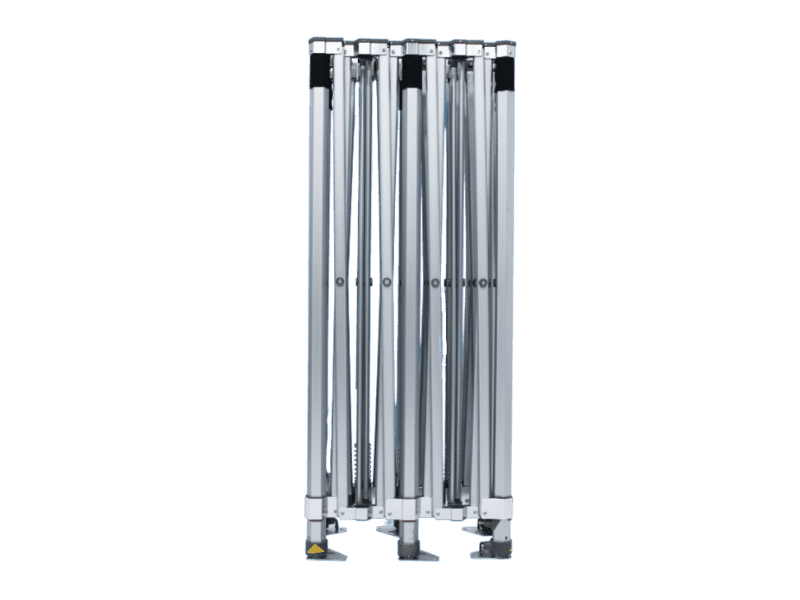
What the Number Actually Measures
Leg thickness is simply the width of the aluminium leg profile. As a rule, a thicker leg means a stronger, stiffer, more wind-resistant frame, and also a heavier one that costs more. So far, so simple.
The catch is how it's measured. A hexagonal leg can be measured across the flats (flat-to-flat) or across the widest points (corner-to-corner), and corner-to-corner always gives a bigger number for the same leg. Some sellers quote the bigger figure to look beefier. We quote flat-to-flat, so when you compare a Gala Shade leg against someone else's, make sure you're comparing the same measurement, not a 50mm flat-to-flat against a 50mm corner-to-corner that's really smaller.
Hexagonal Beats Round
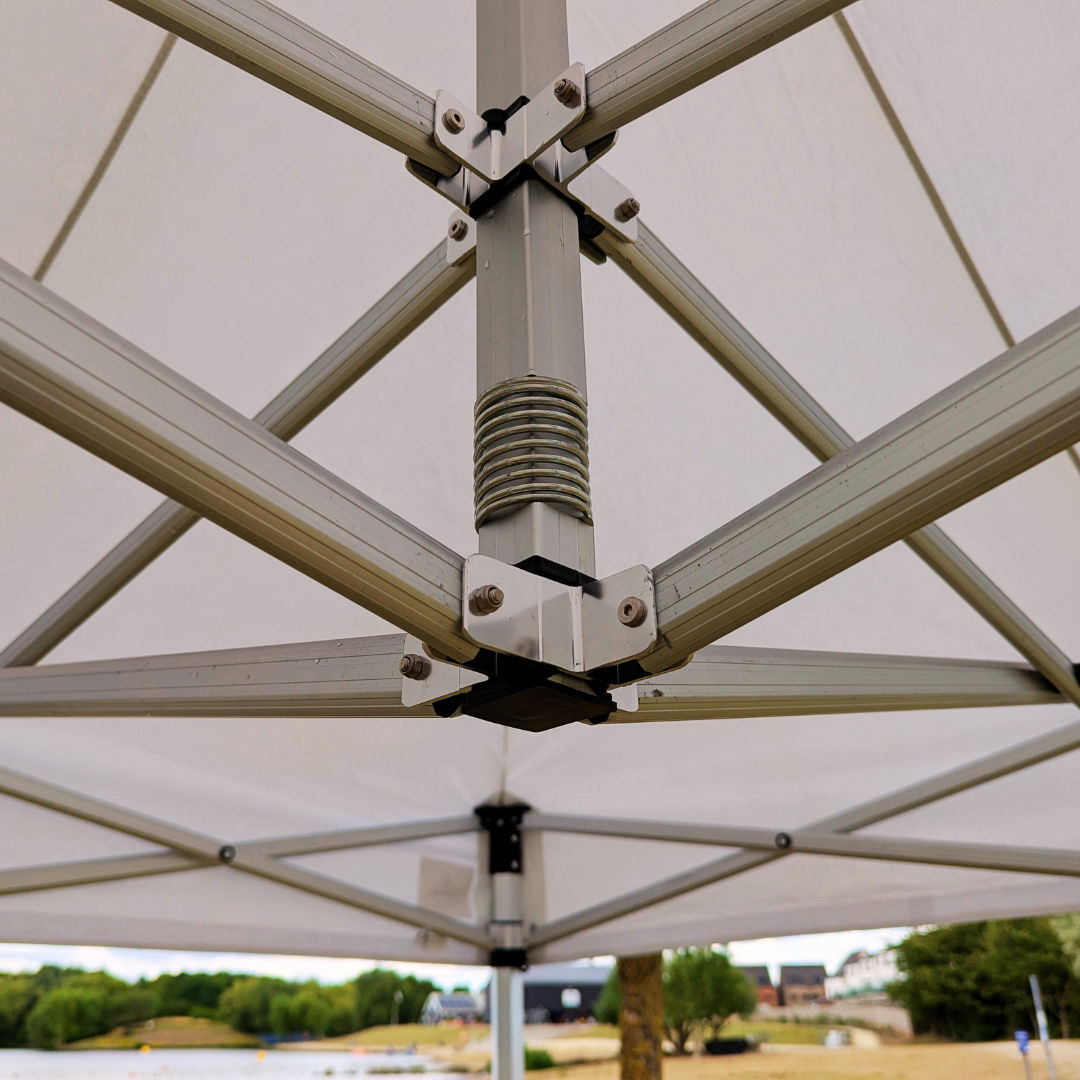
Shape matters as much as size. A hexagonal leg resists twisting far better than a round tube of the same width, which is why our stronger frames use hex legs rather than round poles.
When the wind tries to rack the frame, a hex profile holds its shape where a round one flexes. It's a big part of why a Pro 50 or Pro 60 feels so much more solid than a cheap round-legged gazebo.
The Range, by Leg
Our four frames step up in strength as the leg gets bigger:
-
Pro Compact: the lightest and most packable frame, built for portability and occasional use, where getting it in a small car and up on your own matters more than outright strength
-
Pro 40: a 40mm leg, measured flat-to-flat. Lightweight but genuinely commercial quality, and the sensible everyday choice for gardens, schools and light trade use
-
Pro 50: a 50mm hexagonal leg, 60mm corner-to-corner, in 6061/T6 aluminium. The heavy-duty workhorse for regular market, event and trade use
-
Pro 60: a 60mm hexagonal leg, and the strongest pop-up gazebo you can buy in the UK. For the most exposed, most demanding and most permanent setups
Which Thickness Do You Need?
Match the leg to how hard you'll work it, rather than just buying the biggest number:
-
occasional garden, school or light use: a Pro 40 is plenty, or the Compact if portability is the priority
-
regular trading, events and commercial use: the Pro 50 is the sweet spot of strength and weight
-
exposed sites, daily hammering or leaving it up long-term: the Pro 60, every time
Our best gazebo for your use guides make the call for dozens of specific jobs if you'd rather skip straight to the answer.
One Honest Caveat
A thicker leg helps in wind, but it's no substitute for anchoring. An unanchored Pro 60 is more dangerous than a well-anchored Pro 40, because the extra weight does more damage when it takes off.
So buy the right leg for the job, then anchor it properly, every leg, every time. Our guide to securing a gazebo in wind has the how.
Frequently Asked Questions
What does gazebo leg thickness mean?
Is a 50mm gazebo better than a 40mm?
What's the difference between flat-to-flat and corner-to-corner?
Are hexagonal legs better than round?
What's the strongest gazebo leg?
Pick the Right Frame
Now you know what the numbers mean, see which frame suits your use in our best gazebo for the job guides, or browse the range from the Pro 40 up to the Pro 60. Related guides:
Or head back to all our gazebo guides.