Best Gazebo for Windy Conditions
By Ryan Bracha, Head of Marketing, with ten years in the industry. I've watched more gazebos take off across car parks and fields than I care to count, and nine times out of ten the frame was fine. It was the anchoring that let go.
If wind is your worry, the honest answer comes in two halves. Yes, buy the strongest frame you sensibly can, which means a Gala Shade Pro 60 in whatever size suits you, or a Pro 50 after that. But the frame is the easy half.
The half that actually keeps your gazebo on the ground is the anchoring, and it's the half most people skimp on. Get that wrong and the strongest gazebo in the country is just a heavier thing flying at someone.
Quick bit of honesty: Gala Tent pay us, so we only recommend their gazebos. What we'll always do is tell you the truth, and the truth about wind is that anchoring matters more than the badge on the frame.
The Bit Most People Get Wrong
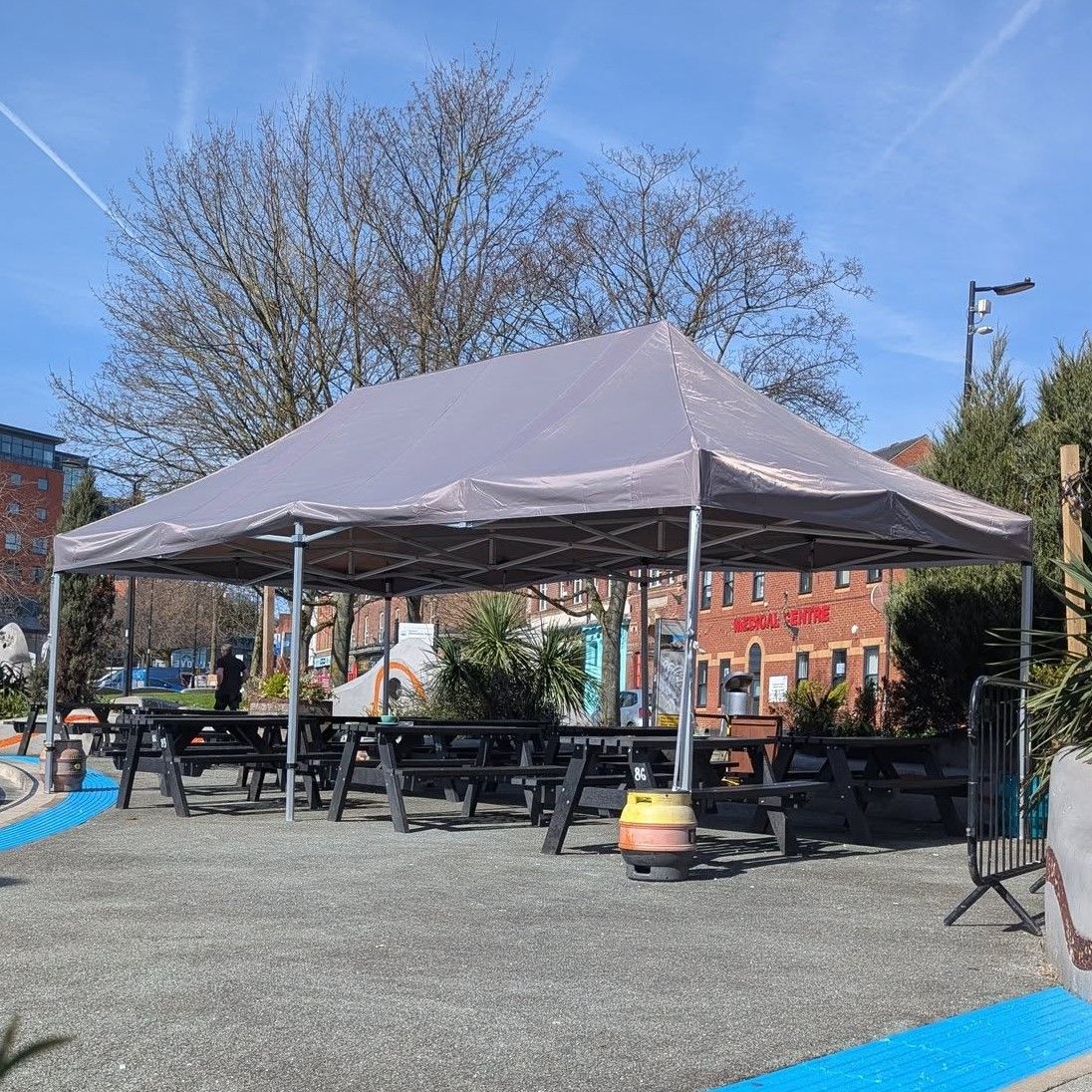
Here's the thing to burn into your brain before you spend a penny: it does not matter how strong your gazebo is if you haven't anchored it properly. And it's worse than that, because the stronger and heavier the frame, the more damage it does when the wind gets under it and takes it. A flimsy one might crumple. A commercial frame stays in one piece and becomes a 25kg sail with legs, heading for whatever's downwind, a car, a stall, a person.
So strength and anchoring are not an either-or. A strong frame is worth having, but only once it's pinned down like you mean it. An unanchored Pro 60 is more dangerous than a well-anchored cheap one, not less.
The Gazebo We'd Choose
For wind, go as strong as you can justify. Our pick is the Gala Shade Pro 60, the strongest pop-up we make, in whatever size fits your use. Its 60mm frame has the most in reserve when the weather turns.
Can't stretch to the 60? The Pro 50 is the next best, and a genuinely strong commercial frame in its own right. Either way, the frame only does its job once it's anchored, which is the next section, and the most important one on this page.
Anchor It Like You Mean It
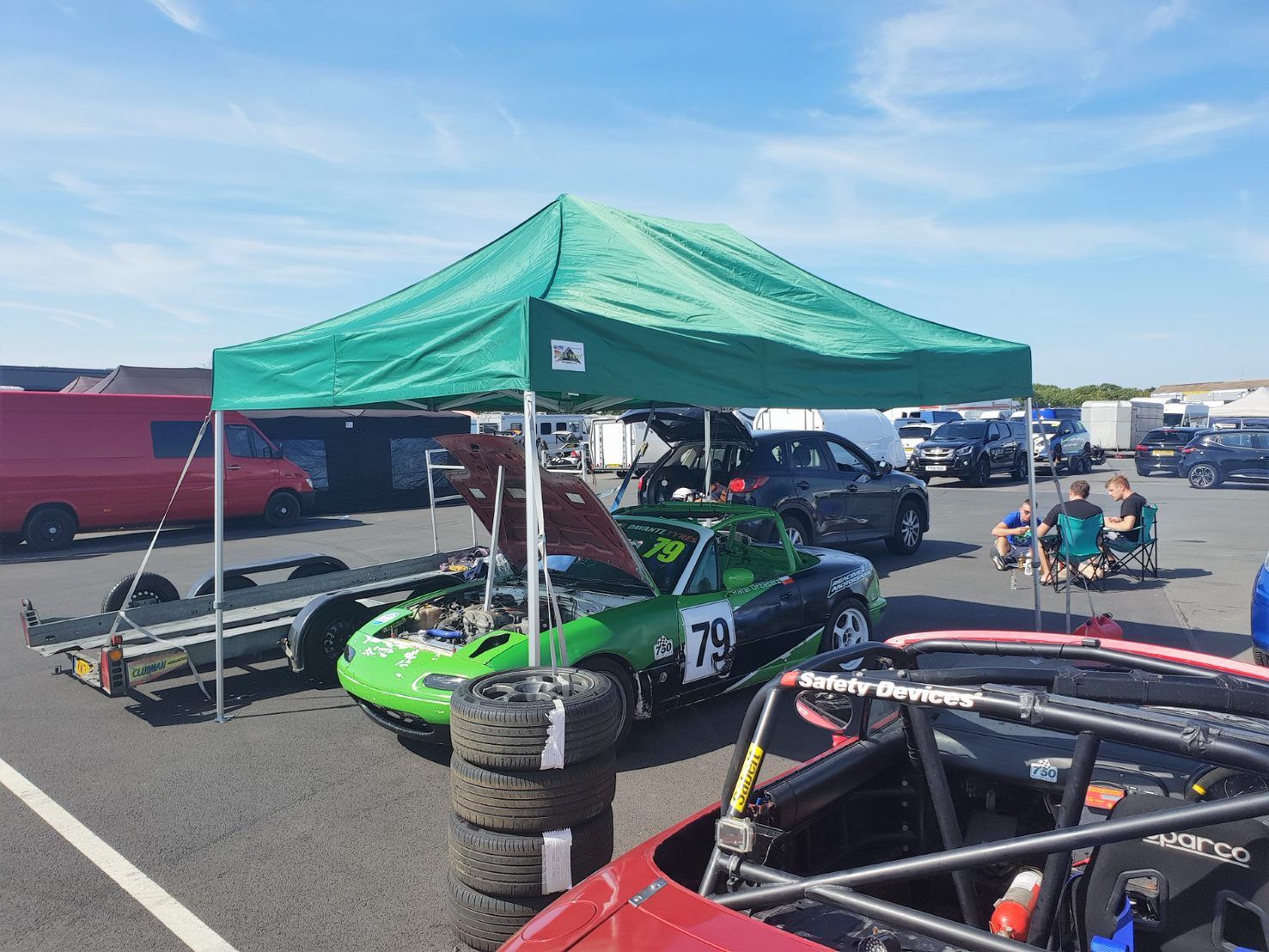
This is the part that keeps your gazebo on the ground, so don't treat it as an afterthought. Anchor every leg, every time. Not two, not just the ones facing the wind, all four.
How you anchor depends on what you're stood on:
-
On soft ground, use ratchet storm straps to heavy-duty pegs driven in at an angle, on every leg.
-
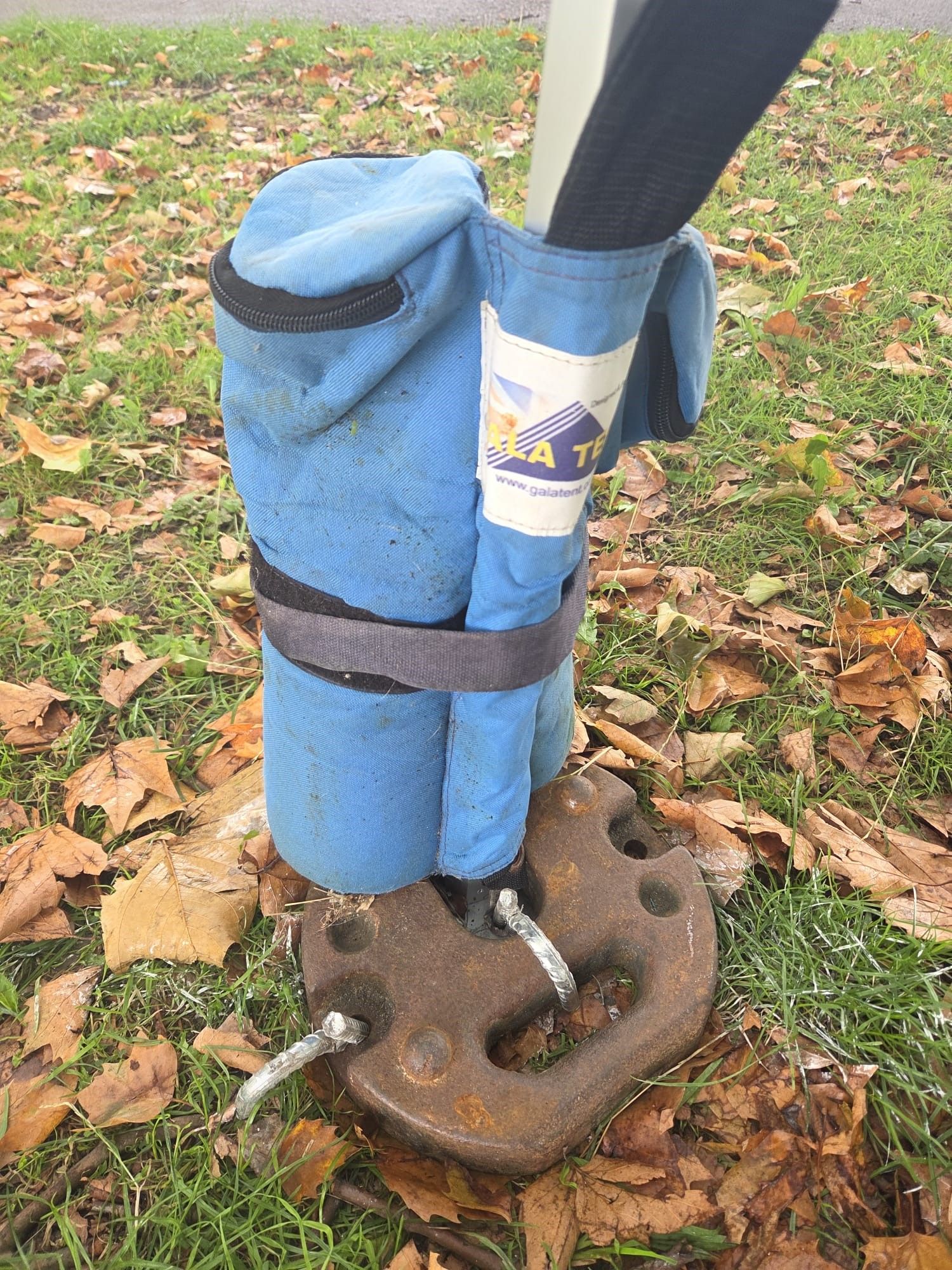
On hard standing you can't peg concrete, so use weights, water weights or concrete blocks, on all four legs, and strap them down rather than just hang them on.
The rule we live by: weights, weights, weights. If you're looking at your setup and part of you thinks it might not be enough, then it isn't enough. Add more. Nobody has ever regretted over-anchoring a gazebo. See the full weights and anchors range.
And the bit we'll always say: in genuinely severe or stormy wind, the safest thing you can do with any gazebo, ours included, is take it down. No amount of anchoring beats not having a sail up in a gale.
A Word on Size and Sidewalls
Two quick physics points. A smaller gazebo catches less wind, so a 3m x 3m is easier to hold down than a 4m x 8m. If the bigger footprint isn't essential, the smaller one is the safer bet on an exposed pitch.
And sidewalls act like sails. They're brilliant for weather and privacy, but in a strong wind they turn your gazebo into a kite. If it's blowing, take the walls off and let the wind pass through, or take the whole thing down.
Why a Well-Anchored Pro 60 Wins in the Wind
It's the combination that does it. The Pro 60 gives you the strongest frame going, so there's the most in hand when a gust hits. Proper anchoring on all four legs keeps that frame where you put it. Neither half is enough on its own, and together they're about as good as a pop-up gets.
Get both right and you've done everything you reasonably can. Beyond that, respect the forecast and take it down when the wind's genuinely wild.
When We'd Point You Elsewhere
If the Pro 60 is more than your budget or your use really needs, the Pro 50 is a strong, sensible step down, and well anchored it'll handle a lot. The anchoring rules on this page don't change though, whichever frame you land on. A cheaper frame that's pinned down properly will always beat an expensive one that isn't.
Frequently Asked Questions
What's the best gazebo for windy conditions?
How do I stop my gazebo blowing away?
Is a heavier gazebo safer in the wind?
Can any gazebo stay up in a storm?
Ready to Stand Up to the Weather?
Start with the strongest frame, the Pro 60 or the Pro 50, then anchor it like your setup depends on it, because it does. Sort the weights and anchors at the same time, and read our gazebo buying guide if you want the full picture.