Gazebo Buying Guide | How to Choose the Right Gazebo
Picking the right gazebo really comes down to three things: how often you'll use it, how exposed your pitch is, and how much space you actually need. Get those three right and everything else falls into place.
This guide runs through the differences between the gazebo types, frame strengths and sizes, so you can choose based on how you actually work instead of guessing from a photo or a price.

1. Start With How You'll Use the Gazebo
Before you look at sizes or frame specs, be honest with yourself about how you'll use it.
Ask yourself:
-
Will it be out occasionally, or every week?
-
Up for a couple of hours, or standing all day?
-
Sheltered spots, or open and windy ones?
-
Setting up on your own, or with a hand?
-
Do you need it portable, or rock solid?
Most gazebo grief comes from buying for the wrong kind of use, not from a bad product.
2. Understanding Frame Strength (Why It Matters)
Frame strength is the single biggest thing that decides how a gazebo copes outdoors.
Lighter frames are easier to carry and quicker to handle, but there's a limit to what they'll take in wind or over long days. Heavier frames are steadier and more predictable, but they're more of a lift to move and set up.
Rule of thumb:
-
if portability matters most, go lighter
-
if exposure and reliability matter most, go heavier
Trying to have it both ways with one gazebo usually means a compromise you'll notice.
3. Choosing the Right Gazebo Range
Compact Gazebos
Best for light-duty use when boot space is tight. Made for cars rather than vans, short setups and sheltered spots. Compact frames put portability first. Explore compact gazebos.
Lightweight Gazebos (Pro 40)
A good balance of strength and easy handling for regular use. The natural step up from compact when you're setting up often but still want something you can manage. Read more about lightweight gazebos.
Heavy Duty Gazebos (Pro 50)
Built for demanding use and exposed sites. A heavier frame means more stability, and it suits long days, frequent use and professional work. Learn more about heavy duty gazebos.
Extreme Gazebos (Pro 60)
The strongest pop-ups we do, made for large-scale, high-demand jobs. Ideal for professional hire, motorsport, hospitality and anywhere you'd otherwise be looking at a marquee. Explore the extreme gazebos.
4. Choosing the Right Size
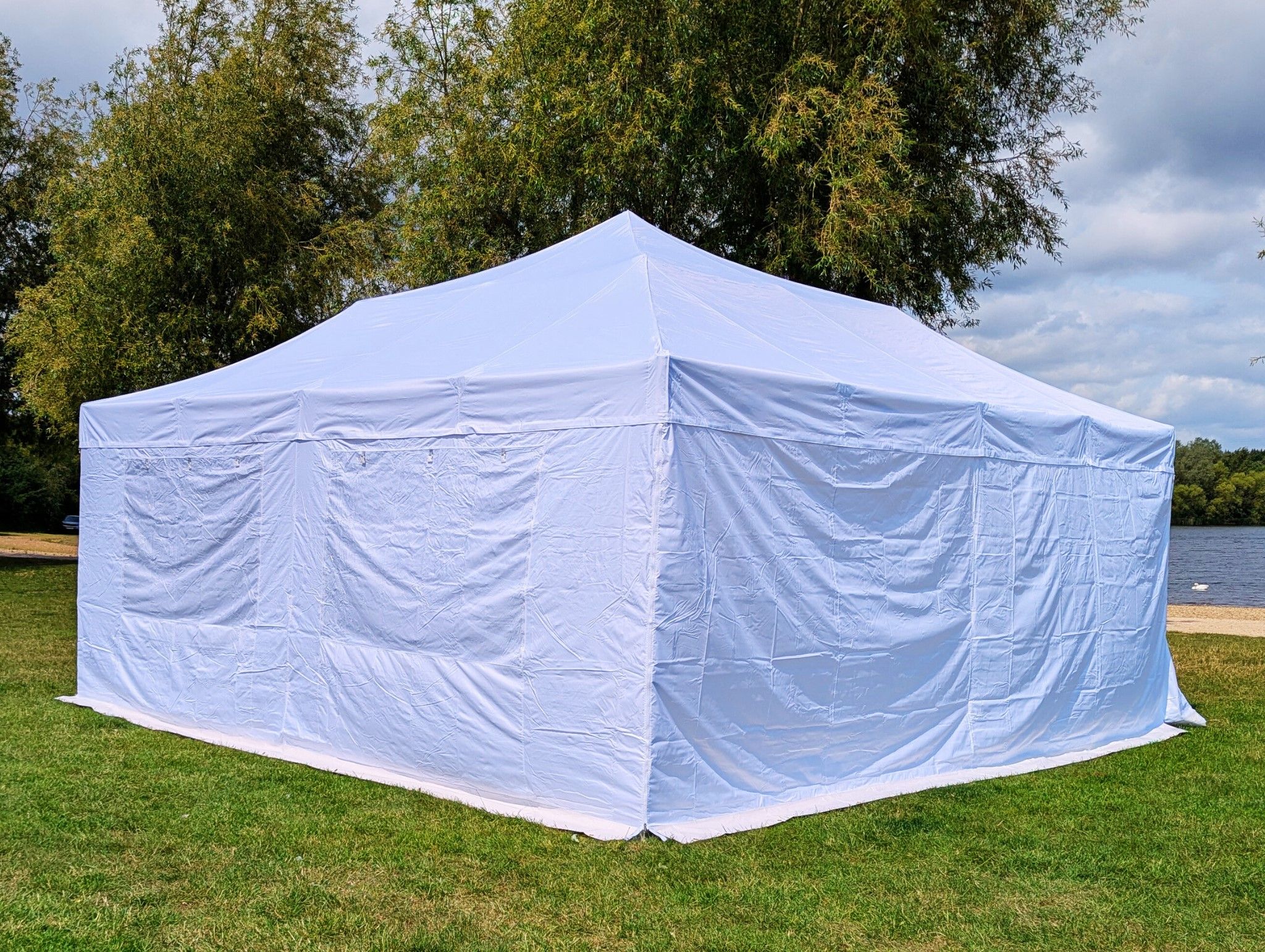
Size is about more than floor space. It affects stability, transport, how long setup takes and how you actually use the thing.
Rough guide:
-
3m x 3m suits compact setups, stalls and single work areas
-
3m x 4.5m and 3m x 6m suit vehicles, longer workspaces and paddock use
-
4m+ widths and long spans suit hospitality, exhibitions and bigger teams
Bigger gazebos give you more usable space, but they need a stronger frame and proper anchoring to behave themselves.
5. Exposure and Anchoring Are Just as Important as the Frame
Even the strongest gazebo will struggle if you don't anchor it properly.
Think about:
-
grass or soft ground, where pegs work
-
hard standing, where you'll need weights
-
wind direction and how the site sits
-
how long it'll be left up
Under-anchoring is one of the most common reasons gazebos fail. Getting the right gazebo weights or fixings matters just as much as getting the right frame.
6. Sidewalls and Enclosed Setups
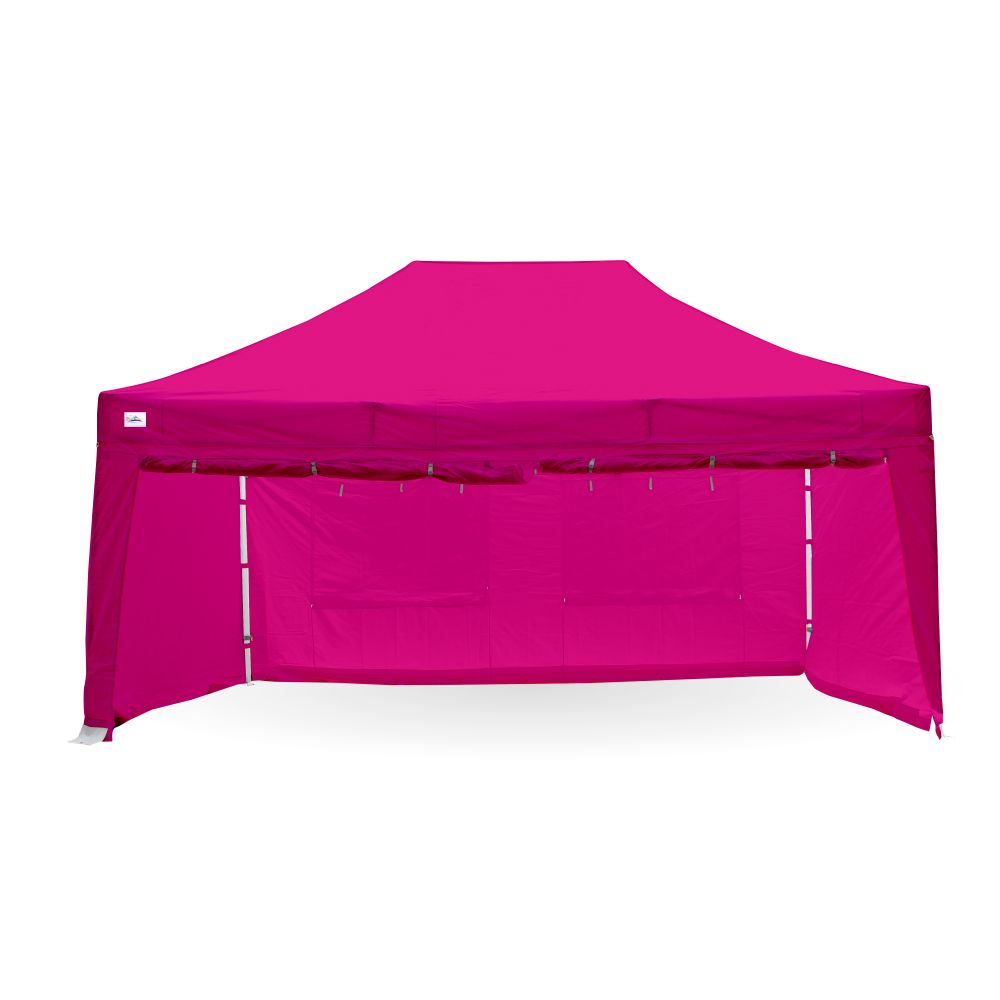
Sidewalls give you protection from wind, rain and sun, but they also catch more wind, which puts more load on the frame.
They're ideal for:
-
longer setups
-
protecting staff or kit
-
enclosed work or hospitality areas
If you'll be running sidewalls a lot, it's usually safer to step up to a heavier frame.
7. Printed Gazebos and Branding Considerations
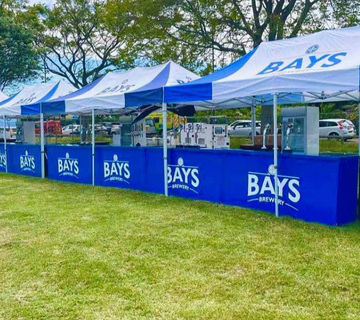
If branding matters, printing quality and canopy tension really start to count.
Good dye-sublimation printing:
-
keeps colours vibrant
-
doesn't crack or peel
-
still looks the part after plenty of use
Just as important, the frame has to hold the canopy taut. A frame that flexes or a slack canopy undoes even the best artwork.
8. Common Buying Mistakes to Avoid
-
choosing size off a photo rather than the space you really need
-
underestimating how exposed the site will be
-
putting weight-saving ahead of stability for regular use
-
ignoring the anchoring
-
buying too light and planning to “just be careful”
A good gazebo works with you. It shouldn't need babysitting to stay upright.
9. Making the Right Choice First Time
The best gazebo is simply the one that suits how you actually work.
Want portability? Go compact or lightweight.
Need stability and reliability? Go heavy duty or extreme.
Need scale and presence? Don't skimp on frame strength.
Getting it right first time saves you money, hassle and the cost of replacing it later.
Ready to Choose or Need Advice?
If you already know which range suits you, have a look and buy online. If you're not sure, give us a shout and we'll help you land on the right model for how you use it, where you use it and how you set up.
Take It Further
Ready to narrow it down? These will get you to the right gazebo:
-
Best gazebo for your use, a straight recommendation for dozens of jobs
Or browse all our gazebo guides.