Why Is My Gazebo Leaking?
A leaking gazebo is annoying, but it's nearly always fixable, and it's rarely the fabric giving up. Let's start with the reassuring bit, then work through what's actually going on and how to sort it.
Quick nerdy aside, stick with me: every Gala Shade canopy has a 6,000mm hydrostatic head. That's a lab test where they pile a six-metre column of water onto the fabric to see at what point it lets water through. Six metres. You are never going to see six metres of rain in your garden. In plain English, it means you're properly sheltered, genuinely waterproof rather than just shower-resistant.
So if water's getting in, it's almost always down to a seam, a nick, or something that isn't really a leak at all. Here's how to tell which.
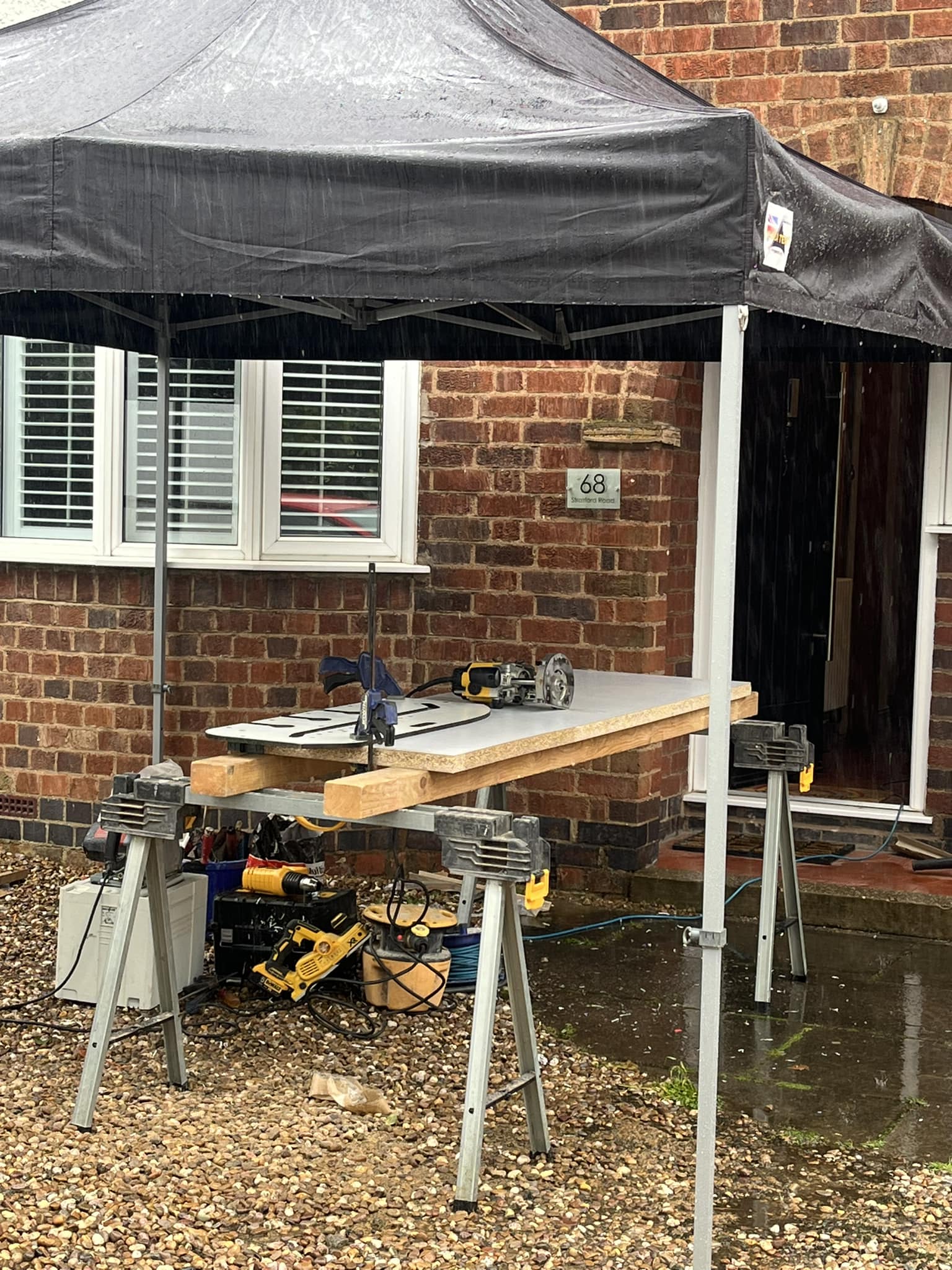
First, Is It Actually a Leak?
Half the "leaks" we hear about aren't leaks at all. Two things fool people.
The first is condensation. Warm bodies, a cooker, or just a mild night under a cold canopy will produce condensation on the inside, which drips like a leak but is coming from the air, not the sky. Better ventilation, or lifting a sidewall, sorts it.
The second is touching the roof in the rain. Press anything against the underside of a wet canopy, a pole, your head, a box stacked up to the roof, and water wicks straight through at that spot. That's just physics doing its thing. Keep your contents clear of the canopy and it stops.
What Causes a Genuine Leak
When it is a real leak, it's usually one of these:
-
seams that have stretched over time. Years of going up and down work the stitch holes a little looser, and they can start to weep
-
nicks and small tears, usually from a bit of rough handling, dragging the canopy, or trapping it in the frame during a bad pack-down
-
pooling. If the canopy isn't tensioned tight, water gathers in a dip instead of running off, and sitting water eventually finds a way through. Keep it taut and it drains
How to Fix It
Most leaks are a ten-minute job.
For weeping seams, run a seam sealant along the affected stitching on the inside, following the instructions on the tin, and let it cure fully before you next use it. It's cheap and it lasts.
For a small nick or tear, a repair patch or proper repair tape sorts it. Clean and dry the area first, and patch both sides where you can for a small hole.
For pooling, there's nothing to repair. Just pitch it properly and tension the canopy so the water runs off instead of sitting.
When It's Beyond Saving
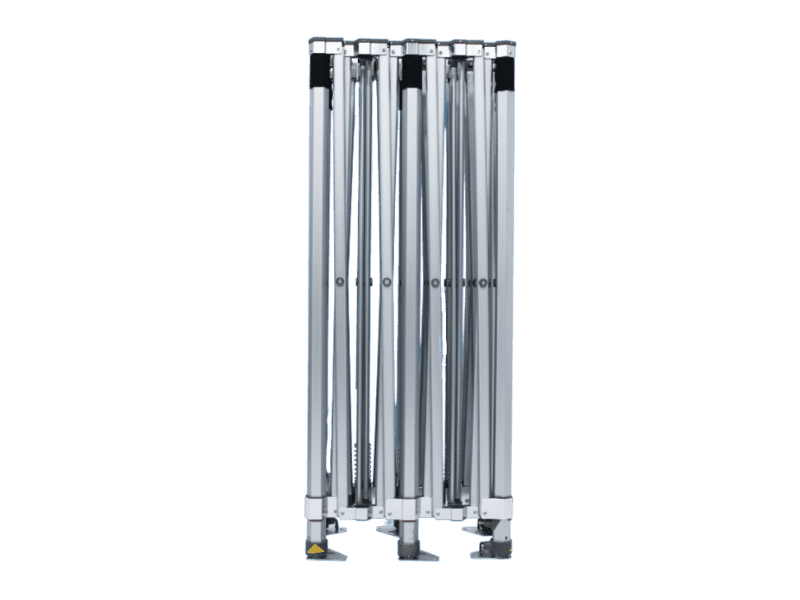
If the canopy's had its day, split along a long seam or peppered with holes, patching it is a losing battle and a new canopy is the honest answer. The good news is you keep the frame: replacement canopies are a standard, universal item at Gala Tent, so it's just the canopy you're buying, and the frame lives to fight another day. A fraction of the cost of a new gazebo, and a five-minute swap.
Keeping It Watertight
A few habits keep the leaks away for good: pitch it taut so water runs off, don't drag the canopy or trap it in the frame when you pack down, keep stacked contents off the underside of the roof, and store it clean and dry. Our guides to putting it up and storing it cover the rest.
Frequently Asked Questions
Are Gala Shade gazebos waterproof?
Why is my gazebo dripping inside when it isn't raining hard?
Can I repair a leaking gazebo canopy?
Why does water come through when something touches the roof?
When should I replace the canopy instead of repairing it?
Sorted, and Dry
Nine times out of ten a leaking gazebo is a quick fix and a lesson in pitching it tight. If the canopy's genuinely done, a replacement cover puts it right for a fraction of a new gazebo. Related guides:
Or browse all our gazebo guides.